
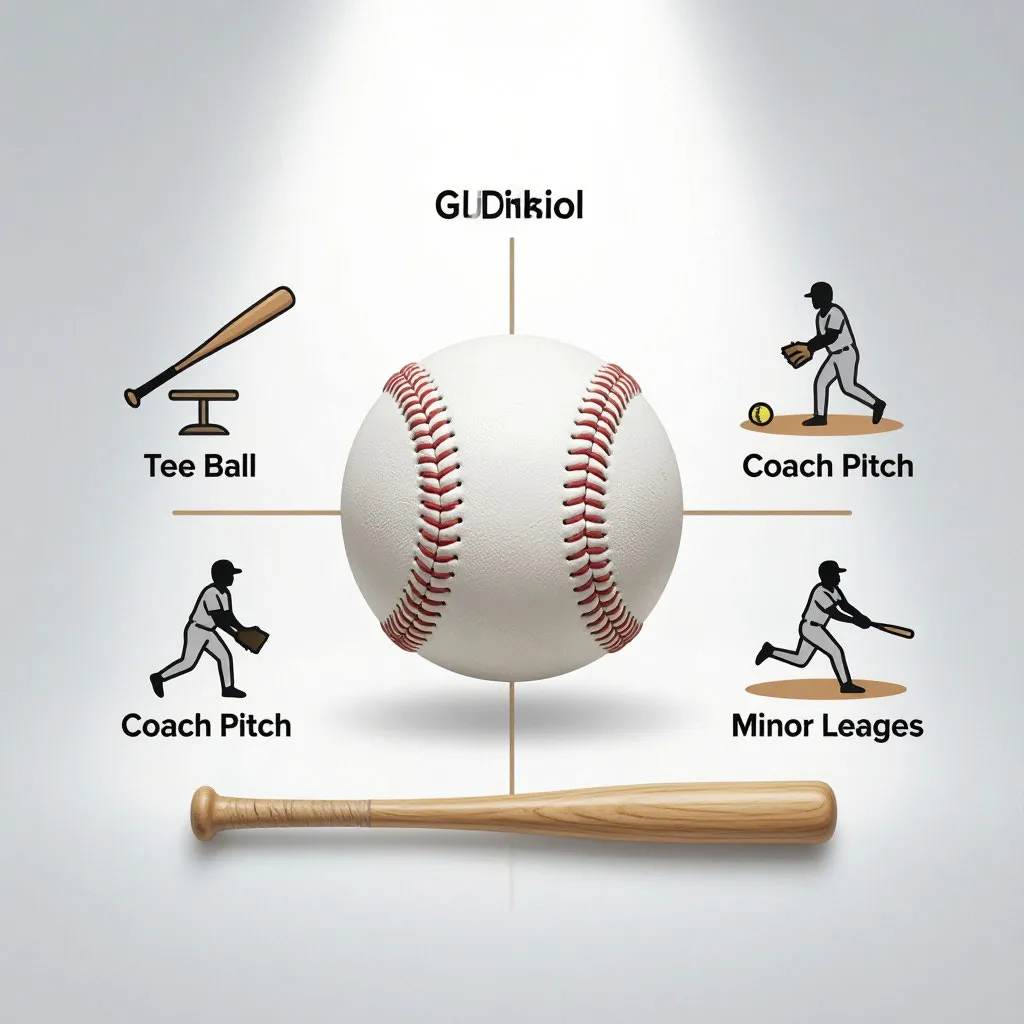
Youth sports are designed to be a journey of continuous development, where the field environment evolves alongside a child’s physical and cognitive abilities. In the Gahanna Junior League Sports system, this progression is carefully structured to keep players engaged, safe, and challenged. Transitioning from the absolute basics of Tee Ball to the fast-paced environment of the Minor Leagues requires more than just growing taller; it involves adapting to a changing set of regulations that gradually shift from pure recreation to structured competition. Understanding these subtle differences helps families prepare their children for the unique demands of each level.
Structural differences across age groups
Comparing different age groups side-by-side reveals how the league gradually introduces competitive elements while preserving the core fun of the game.
| Division | Typical innings | Run limit per inning | Stealing allowed? | Pitching source |
|---|---|---|---|---|
| Tee Ball | 3 innings | Continuous batting | No stealing | Batting tee |
| Coach Pitch | 4 to 5 innings | 5-run limit | No stealing | Coach pitcher |
| Minor Leagues | 6 innings | 5-run limit | Allowed on wild pitches | Youth player pitcher |
These structural variations ensure that as children grow, the complexity of the game increases in a manageable way. While the initial focus in Tee Ball is entirely on learning how to run bases and hold a bat, the introduction of player pitching and base running in the Minor Leagues brings a layer of tactical decision-making that prepares young athletes for school-level sports.
Guarding player participation and field time
Ensuring that every child gets active playing time is a core value of the league, preventing situations where players spend the entire game sitting on the bench.
- Continuous batting order: every player present on the team roster is placed in the lineup to bat, regardless of whether they are playing on the field during that specific inning.
- Inning limits on the bench: no young athlete is allowed to sit out on the bench for consecutive defensive innings during a single game.
- Position rotation: coaches must rotate players between different defensive spots to ensure everyone gains experience in both the infield and the outfield.
- Minimum defensive play: each child must play a guaranteed minimum number of defensive innings in the field during every standard match.
By enforcing these strict participation rules, GJLS baseball rules guarantee a supportive and highly educational learning environment. Kids stay active, build confidence across multiple defensive positions, and feel like valued members of the squad rather than passive observers.
Game pacing and the five-run rule
Beyond roster management, the flow of play is heavily influenced by divisional rules designed to keep games moving and prevent lopsided scores from ruining the experience.
- The youth baseball run limits per inning standard: once a team scores five runs in their half of the inning, the turn at bat ends immediately, ensuring the game stays competitive.
- Gahanna coach pitch rules delivery limits: batters receive a maximum of five pitches from their coach, after which they must put the ball in play or record an out.
- No-walk policy in coach pitch: pitchers do not issue base on balls, which forces batters to focus on swinging and keeps the fielders actively involved.
- Modified base stealing in softball: under the softball division rules Gahanna guidelines, base runners can only initiate a steal once the pitched ball crosses the plate.
These specific gameplay limits prevent matches from dragging on and help maintain a healthy, exciting pace for both players and spectators. They allow young athletes to focus on fundamental execution, such as proper throwing mechanics and alert baserunning, without being overwhelmed by complex strategic rules too early in their development.