
Baseball occupies a unique place in Japanese sports culture. It is not simply one of many popular games, but a deeply rooted national passion that combines discipline, tradition, and constant innovation. Over the last decades, Japan has transformed this cultural foundation into sustained international dominance, especially visible in the World Baseball Classic. Multiple titles, consistent playoff appearances, and victories over traditionally strong baseball nations confirm that Japan is not a temporary powerhouse but the central reference point of modern international baseball.
From youth academies to professional leagues and national team preparation, Japan has built a system that continuously produces elite players. This article explores why Japan remains the main favorite in global baseball tournaments, how its structure supports long-term success, and what makes its approach so effective compared to other baseball nations.
The Cultural Foundations of Baseball in Japan
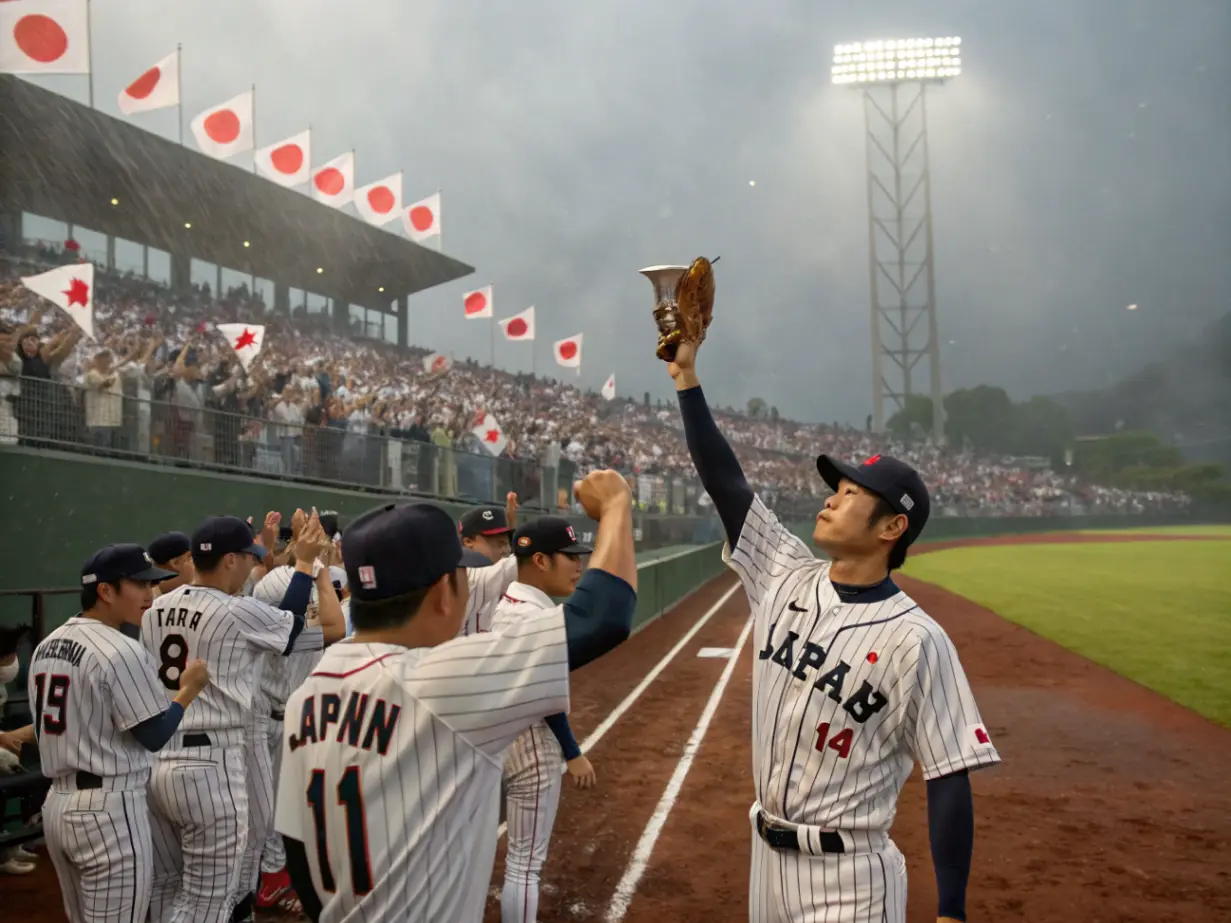
Baseball was introduced to Japan in the late nineteenth century, and over time it became closely associated with education, discipline, and character building. Unlike countries where baseball is primarily entertainment, in Japan it is also a moral framework. School baseball tournaments, especially the famous Koshien championships, are followed nationwide and treated with almost ceremonial respect. These events shape public perception of baseball as a test of endurance, teamwork, and responsibility.
This cultural backdrop explains why Japanese players often display exceptional fundamentals. Batting mechanics, defensive positioning, and situational awareness are taught from an early age with remarkable attention to detail. Coaches emphasize repetition and mental toughness rather than early specialization in power hitting or flashy plays. As a result, Japanese teams rarely rely on individual stars alone, instead winning through cohesion and consistency.
The respect for hierarchy and collective effort also influences national team performances. Players accept roles, whether as starters, relievers, or bench contributors, without disrupting team chemistry. This cultural stability creates an environment where talent can flourish without ego-driven conflicts, a crucial factor in high-pressure international tournaments.
Nippon Professional Baseball as a Development Engine
Nippon Professional Baseball, commonly referred to as NPB, is the backbone of Japan’s international success. The league is not merely a domestic competition but a fully developed ecosystem that balances commercial success with player development. NPB teams invest heavily in training facilities, sports science, and long-term player conditioning, often matching or exceeding standards seen in Major League Baseball.
One key difference between NPB and other leagues is the emphasis on pitching depth. Japanese teams cultivate large numbers of technically refined pitchers who can handle different roles. Starting pitchers are trained to master multiple pitches with precise control, while relievers are prepared for high-leverage situations from an early stage. This depth becomes invaluable in short international tournaments, where pitching rotations are often stretched.
Another strength of NPB lies in its tactical approach. Managers prioritize situational hitting, base running intelligence, and defensive shifts tailored to specific opponents. These strategies translate seamlessly to international play, where small margins often decide outcomes. When Japan faces power-heavy teams, its ability to neutralize sluggers through pitch sequencing and defensive discipline frequently proves decisive.
World Baseball Classic and Japan’s Tournament Supremacy
The World Baseball Classic has become the ultimate stage for evaluating national baseball programs, and Japan’s record in the tournament speaks for itself. Multiple championships and consistent appearances in the final rounds underline a level of preparation unmatched by most competitors. Unlike some countries that struggle to assemble full-strength rosters, Japan treats the WBC as a top priority, ensuring strong participation from its best players.
Preparation for the tournament begins long before the first pitch. Coaching staffs analyze potential opponents in detail, simulate tournament conditions, and carefully manage player workloads. This strategic planning allows Japan to peak at the right moment, avoiding fatigue while maintaining competitive sharpness. The result is a team that often looks more synchronized than rivals still adjusting to each other.
In the middle stages of WBC competition, Japan’s approach becomes especially evident. While other teams may rely on isolated bursts of offense, Japan accumulates pressure through consistent contact, disciplined plate appearances, and aggressive but intelligent base running. To understand the core elements behind this consistency, it is useful to outline the main competitive pillars that define Japan’s international approach:
- High on-base percentage built through patient at-bats and contact hitting.
- Deep pitching staff capable of adapting to different game situations.
- Defensive reliability that minimizes unforced errors.
- Tactical flexibility allowing adjustments during games and series.
- Strong mental resilience in elimination scenarios.
Each of these factors works together rather than in isolation. Japan rarely dominates through sheer power; instead, it controls games by reducing opponents’ opportunities while maximizing its own efficiency. This holistic style is particularly effective in tournament baseball, where volatility is high and mistakes are costly.
Statistical Evidence of Japan’s International Edge
Beyond narrative and observation, statistical comparisons clearly illustrate Japan’s dominance in international baseball. Performance data from recent World Baseball Classic tournaments show consistent advantages in key areas such as earned run average, defensive efficiency, and situational hitting. These numbers are not outliers from a single tournament but part of a long-term trend.
Before examining the data, it is important to note that international tournaments feature varied competition levels and small sample sizes. However, Japan’s repeated excellence across different WBC editions strengthens the reliability of these indicators.
Below is a simplified overview of Japan’s average performance metrics in World Baseball Classic play compared to overall tournament averages.
| Metric | Japan Average | Tournament Average |
|---|---|---|
| Team ERA | 2.80 | 4.10 |
| Errors per Game | 0.6 | 1.2 |
| On-Base Percentage | .355 | .325 |
| Strikeout-to-Walk Ratio | 3.1 | 2.2 |
| Runs Allowed per Game | 3.2 | 4.6 |
These figures highlight Japan’s efficiency rather than raw dominance. Lower error rates reflect defensive discipline, while a strong strikeout-to-walk ratio underscores pitching control. Even modest advantages in on-base percentage accumulate over the course of a tournament, gradually tilting close games in Japan’s favor. After reviewing these numbers, it becomes clear that Japan’s success is systematic rather than circumstantial.
The Role of MLB Experience and Global Integration
While Japan’s domestic system remains central, the increasing presence of Japanese players in Major League Baseball has further strengthened the national team. Players who succeed in MLB bring back valuable experience in facing elite international talent, adapting to different playing styles, and handling global media pressure. This exchange enhances Japan’s tactical versatility without undermining its core philosophy.
Importantly, Japan does not rely exclusively on MLB stars. Instead, it integrates them into an existing framework built on NPB fundamentals. This balance prevents overdependence on individual players and ensures continuity even when some stars are unavailable. The coaching staff emphasizes role clarity, allowing MLB veterans and domestic players to complement each other rather than compete for status.
Global integration also extends to analytics and sports science. Japanese teams increasingly incorporate advanced data analysis while maintaining traditional training values. This hybrid approach allows Japan to exploit modern efficiencies without sacrificing the discipline that defines its baseball identity. In international competition, this balance often gives Japan a strategic edge over teams that lean too heavily toward either tradition or analytics alone.
Why Japan Remains the Benchmark for International Baseball
Japan’s continued dominance is not the result of temporary advantages but of structural consistency. Youth development, professional league standards, international experience, and cultural cohesion all reinforce each other. Even as other countries invest more resources into baseball, Japan’s integrated model remains difficult to replicate quickly.
Another critical factor is adaptability. Japan constantly refines its approach based on international trends without abandoning its core principles. Whether facing power-heavy lineups, aggressive base-running teams, or analytics-driven strategies, Japan adjusts tactically while maintaining overall stability. This adaptability ensures that success is sustainable rather than cyclical.
As international baseball continues to evolve, Japan’s role as the benchmark will likely persist. New challengers may emerge, but any team aiming to dominate global tournaments must eventually measure itself against Japan’s standards of preparation, discipline, and execution.
Conclusion
Japan’s status as the dominant force in international baseball is the product of decades of deliberate development rather than short-term success. Cultural commitment, a robust professional league, meticulous tournament preparation, and effective integration of global experience all contribute to its superiority in competitions like the World Baseball Classic. Rather than relying on raw power or individual brilliance, Japan wins through structure, efficiency, and collective excellence.
As the global baseball landscape becomes more competitive, Japan’s model continues to demonstrate that sustainable dominance comes from balance. By combining tradition with innovation and individual skill with team discipline, Japan has set a standard that defines modern international baseball.