
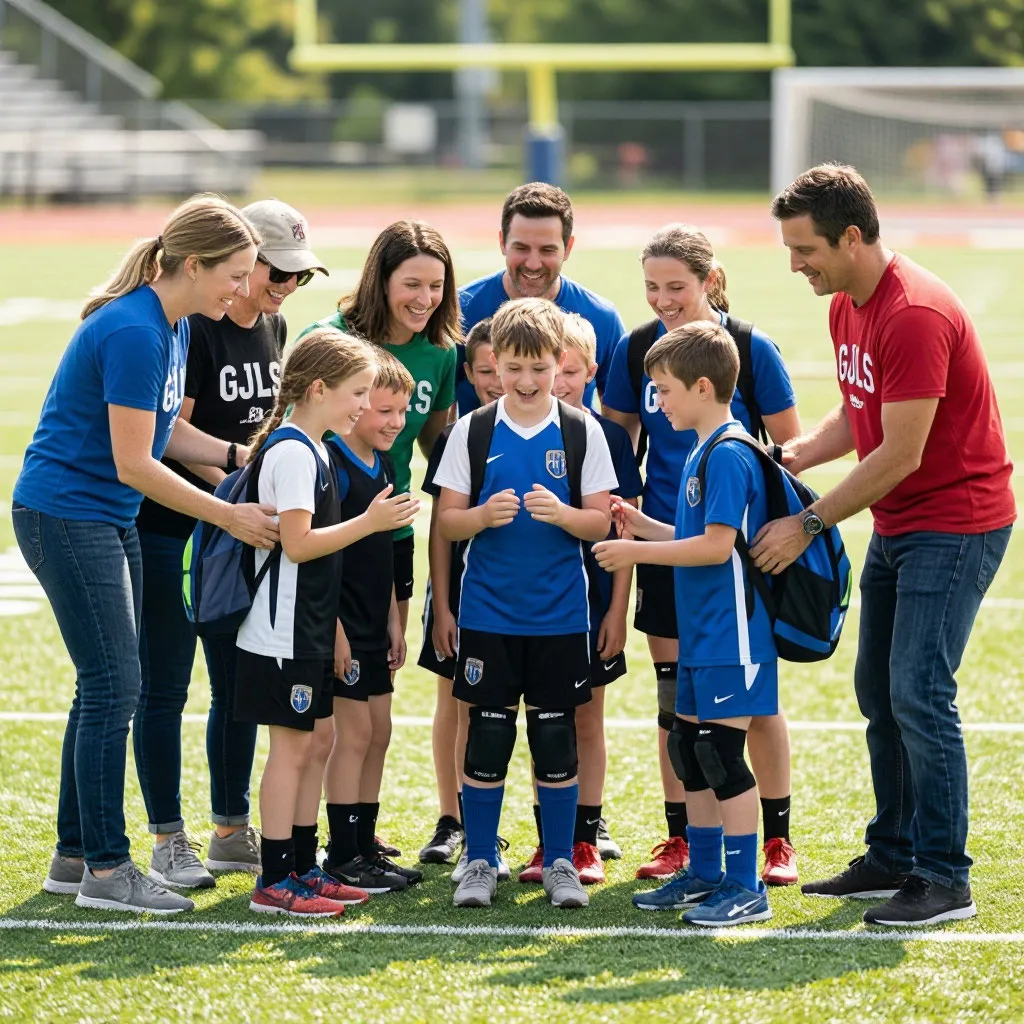
Weekend tournaments bring an unmistakable energy to local parks and sports complexes. For families and coaches, these multi-game events are the culmination of months of practice, filled with intense competition, camaraderie, and excitement. Yet, the rapid succession of games, unfamiliar opponents, and pressure to perform can easily overwhelm young minds and bodies. Effective youth sports tournament preparation involves much more than pack-lists and travel schedules: it requires a deliberate balance of physical recovery, structured habits, and positive mental conditioning. Helping your child navigate these high-stakes weekends is essential to transforming potential stress into an unforgettable, growth-oriented experience.
Structuring the physical countdown to the opening whistle
Physical preparedness is the bedrock of athletic performance. A child cannot maintain focus in the late innings or final quarters of a grueling weekend if their body is running on empty. Nutrition, hydration, and sleep must be managed days in advance rather than treated as an afterthought the night before the event.
To help parents and coaches organize the physical preparation timeline, the essential physical and mental benchmarks for the days leading up to the event are broken down below.
| Preparation phase | Physical focus | Mental objective | Parent/Coach role |
|---|---|---|---|
| Two days before | Hydration loading and complex carbohydrate meals | Setting realistic personal goals | Monitoring water intake and reducing intense training |
| Night before | Minimum 8 to 9 hours of uninterrupted sleep | Visualization of positive plays | Restricting screen time and packing gear together |
| Morning of | Easily digestible breakfast with lean proteins | Staying relaxed and listening to music | Arriving early to avoid rushing and anxiety |
| Between games | Active stretching, electrolyte replacement, and light snacks | Resetting focus, letting go of previous mistakes | Providing shade, cool towels, and constructive praise |
Following this structured timeline ensures that players arrive at the fields with their energy reserves fully charged. Rushing to a game with a sugary snack in hand creates a physical spike followed by an inevitable crash, which can ruin a player’s performance before the first whistle even blows. By systematically addressing these physical needs step-by-step, parents give their children the best possible foundation to showcase their hard-earned skills on the field.
Designing effective warm-up rituals for tournament success
When learning how to prepare for baseball tournament weekends or multi-day softball events, establishing a consistent physical routine is paramount. A structured warm-up does more than raise the heart rate: it signals to the brain that it is time to transition from social time to game mode.
A reliable sequence of activities helps establish the right rhythm, allowing Gahanna youth athletes to feel a sense of familiarity regardless of how intimidating the opponent might seem:
- Dynamic stretching: static stretching is replaced with active movements like high knees, lunges, and arm circles to prepare muscles for explosive actions.
- Sport-specific drills: players transition to light throwing, catching, or dribbling to fine-tune their hand-eye coordination.
- Speed and agility bursts: short, high-intensity sprints help awaken the nervous system and prepare the body for rapid changes of direction.
- Position-focused practice: infielders, outfielders, and pitchers take a few minutes to work on their specific game-day roles.
- The team huddle: coaches gather the team to review the basic game plan, emphasizing effort and communication rather than winning.
Having this step-by-step routine in place provides a comforting structure that shields young players from the chaotic environment of a busy sports complex. When pre-game routines for kids are predictable, the game itself feels less daunting because the preparation process is identical to a standard practice session back home.
Cultivating mental resilience and managing pre-game anxiety
The mental load of tournament play is often heavier than the physical demands. The pressure to win, fear of making mistakes in front of crowds, and fear of letting teammates down can cause significant anxiety. Coaches and parents must actively teach psychological coping mechanisms to help children process these intense emotions.
Implementing simple cognitive techniques during the pre-game window can help young competitors channel their nervous energy into positive on-field performance:
- Controlled box breathing: taking slow, deep breaths relaxes the central nervous system and lowers a racing heart rate.
- Focus on the process: shifting the athlete’s attention away from the scoreboard and onto controllable actions like running hard or cheering for teammates.
- Positive self-talk: replacing negative thoughts with empowering phrases to rebuild confidence before stepping onto the playing surface.
- The mistake ritual: teaching kids a physical gesture, like brushing dirt off their shoulder, to visually represent letting go of an error.
- Reframing anxiety as excitement: helping children understand that butterflies in the stomach are a natural sign that their body is ready to play.
Utilizing these psychological tools helps children realize that nerves are a normal part of sports, not a sign of weakness. When young athletes learn to manage their inner dialogue, they develop a sense of emotional control that serves them well both on the field and in their daily lives.
The supportive role of the Gahanna athletic community
The local sports culture plays a vital role in how young competitors view their tournament experiences. In Gahanna, sports programs thrive because of a shared commitment to positive youth development. Parents and coaches hold the key to keeping the atmosphere constructive: their sideline behavior directly influences how players handle the pressures of a big game.
During high-intensity weekends, parents should focus entirely on offering unconditional support rather than acting as secondary coaches from the sidelines. Shouting instructions during play often confuses children and increases their mental stress. By cheering for effort, celebrating sportsmanship, and ensuring the car ride home is a safe space free from post-game critiques, the Gahanna community can ensure that youth tournament participation remains a highly rewarding and joy-filled journey.