
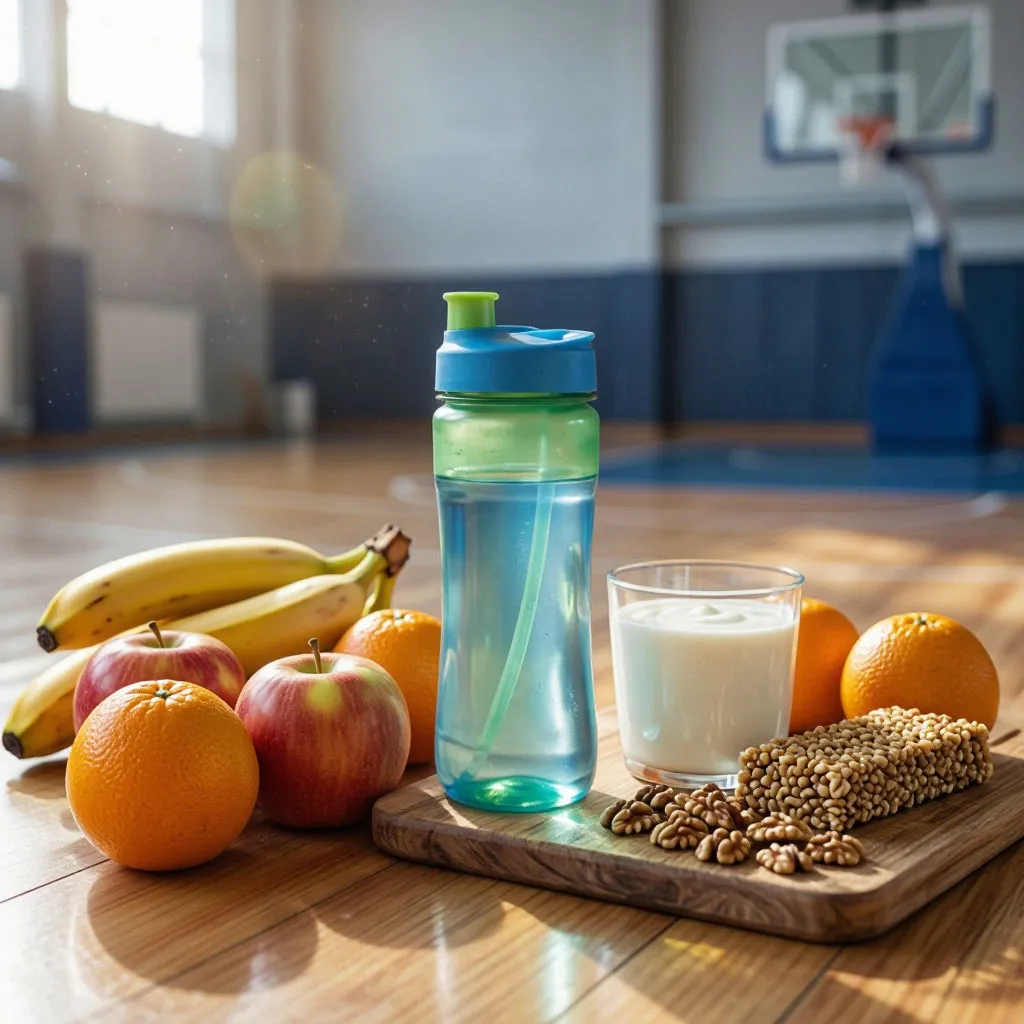
Pre-game eating is an exercise in timing more than in content. A full meal takes two to three hours to digest, which is why the classic advice is a balanced meal around three hours before competition, followed by a small carbohydrate-based snack in the last hour if hunger strikes. Fatty, fried and very heavy foods linger in the stomach and turn into a liability the moment the whistle blows — nobody plays well while digesting a personal pan pizza.
A solid pre-game meal does not need to be fancy, and the most dependable options are ones most kitchens already stock:
- Oatmeal or whole-grain toast with a banana, a tried-and-true carbohydrate base that digests comfortably;
- Pasta with a light tomato sauce, the traditional dinner choice before a morning game;
- Rice with lean chicken or turkey, easy on the stomach and rich in steady-release energy;
- A peanut butter sandwich on whole-grain bread, portable and forgiving of morning nerves;
- Pancakes or waffles with fruit instead of syrup-heavy versions, for teams with early kickoffs.
What the plate should avoid is just as important as what it includes. Pastries, sodas and candy deliver a fast spike and a hard crash; energy drinks have no place in youth sports at all; and a brand-new food on game day is a gamble nobody should take — the pre-game meal is the wrong moment for experimentation. Whatever works, test it at practice first, so that by the time competition arrives the routine is boring in the best possible way.
What the fuel actually does, and how much matters by age
Parents hear the word carbohydrates constantly and rarely get a plain explanation. In simple terms: carbohydrates are the body’s preferred fuel for short, intense effort, stored in the muscles as glycogen; protein rebuilds muscle tissue after the work; fat powers longer, lower-intensity activity; and fluid carries all of it. Young athletes also burn through energy at a higher rate than adults relative to body size, because they are simultaneously fueling sport and fueling growth — a double demand that makes skipped meals more consequential for a twelve-year-old than for a sedentary adult.
The everyday building blocks of that system look like this:
| Nutrient | Main job for an athlete | Best everyday sources |
|---|---|---|
| Carbohydrates | Fill and refill the muscle fuel tank for practices and games | Whole grains, rice, pasta, fruit, potatoes |
| Protein | Repair and build muscle after training and competition | Eggs, chicken, fish, yogurt, beans, cheese |
| Healthy fats | Support long-lasting energy, brain function and hormone health | Nuts, avocados, olive oil, seeds |
| Fluid and electrolytes | Regulate temperature and replace what sweat removes | Water first; milk or diluted juice as alternatives |
| Calcium and vitamin D | Build the bone structure that sport loads every day | Dairy foods, fortified alternatives, sunlight |
Reading that list, most families discover they are closer than they thought. The gap is rarely knowledge — it is consistency, especially on tournament days when the schedule collapses and the vending machine wins by default. A cooler packed the night before with water, fruit, sandwiches and yogurt neutralizes the concession stand entirely, and costs a fraction of what a family spends at it across a season.
During the game: hydration is the real event
Ask any coach what matters most in-game and the answer is almost never food — it is water. Dehydration shows up as fatigue, cramping, headache and a measurable drop in focus before a young athlete ever feels thirsty, because children’s thirst signals are notoriously unreliable, especially when they are excited or cold. The practical approach is simple: a water break every fifteen to twenty minutes during activity, not one giant chug at halftime.
For most youth sports — practices, regular-season games, anything under an hour of continuous effort — water is genuinely all a child needs. Sports drinks enter the picture only in specific situations: sustained activity beyond an hour, intense heat with heavy sweating, or back-to-back tournament games with no real meal between them. Even then, a diluted version or an occasional serving beats letting a child treat a sports drink as flavored water. And the one category that deserves absolute exclusion deserves naming: energy drinks, with their caffeine and stimulant loads, are inappropriate for young athletes under any circumstances, and a growing list of youth sports organizations has said so explicitly.
There is also a real food option during long events, and it is older than sports science: sliced oranges, watermelon, grapes and pretzels at halftime have powered decades of youth teams. For all-day tournaments, a light half-sandwich between games outperforms any packaged snack, because it delivers carbohydrates without sitting heavy in the stomach for the next match.
The recovery window: what the first hour after the whistle buys
The final piece is the one families skip most often, and it may matter more than the pre-game meal. After hard exercise, muscles are primed to absorb carbohydrates to restock glycogen and protein to begin repairing the tiny fiber damage that training causes — a window that stays most active in the first hour or so after play. Nothing magic happens if the meal comes ninety minutes later instead of thirty, but waiting until an exhausted kid falls asleep on the couch means the recovery meal simply never happens.
A recovery snack does not need to be engineered, only balanced — a mix of carbohydrates and protein, with fluids to replace sweat losses. Options that pass the test of real-world kid acceptance include chocolate milk, which has become a recovery favorite for good reason; a banana with yogurt; a turkey sandwich; pretzels and cheese; or a smoothie built from milk, fruit and oats. Dinner afterward, assuming it is a real meal with a protein source and vegetables, finishes the job. Two habits complete the routine: weighing is unnecessary for most kids, but a quick check of urine color — pale yellow means hydrated, dark means keep drinking — is an honest and zero-cost gauge; and evening games deserve an extra push toward a full dinner, since sleep is when most of the actual rebuilding happens.
Special situations every parent eventually meets
A few recurring scenarios trip up even well-organized families, and knowing them in advance removes most of the stress. These are the situations that come up season after season:
- Early morning games — a light snack such as toast and fruit thirty to sixty minutes before start is safer than a full breakfast that has no time to settle;
- All-day tournaments — plan meals around the game schedule in reverse, eating small and early between matches rather than one heavy meal at the end;
- Picky eaters — involve them in choosing the game-day menu and keep offering variety without battles; familiarity, not persuasion, is what eventually widens the list;
- Weight-sensitive sports — no child should skip meals or restrict fluids to make a weight or appearance goal without a pediatrician involved, full stop;
- The kid who refuses to eat when nervous — liquid calories like a smoothie or milk are far easier for a keyed-up stomach than solid food, and they work.
Every one of these has the same underlying solution: predictability. An athlete who knows exactly what game-day eating looks like — because the family has rehearsed it — arrives calmer, digests better and performs steadier than one improvising breakfast at the field gate.
The bigger picture: food as foundation, not gadget
It bears saying once, clearly: no supplement, powder or performance drink has any business in a child’s gym bag, and the entire promise of youth sports nutrition is delivered by ordinary groceries. Growing bodies adapt and strengthen in response to training only when raw material is present, which makes the family kitchen the single most important training facility an athlete has — one that is open every day, including off-season. Players who eat regular meals, drink water by habit rather than by thirst and treat recovery snacks as part of the sport, the way cleats and shin guards are part of it, arrive at adolescence with advantages no gadget can replicate.
None of this demands perfection. A birthday pizza after a game will not undo a season of good habits, and the occasional drive-thru dinner in traffic is simply part of a real family’s calendar. What compounds over the years is the default — the ordinary Tuesday practice, the ordinary Saturday breakfast, the ordinary water bottle that comes along every time. Build those defaults well and the young athlete inherits something rare: a body that has been quietly, consistently prepared for every big moment, one ordinary meal at a time.