
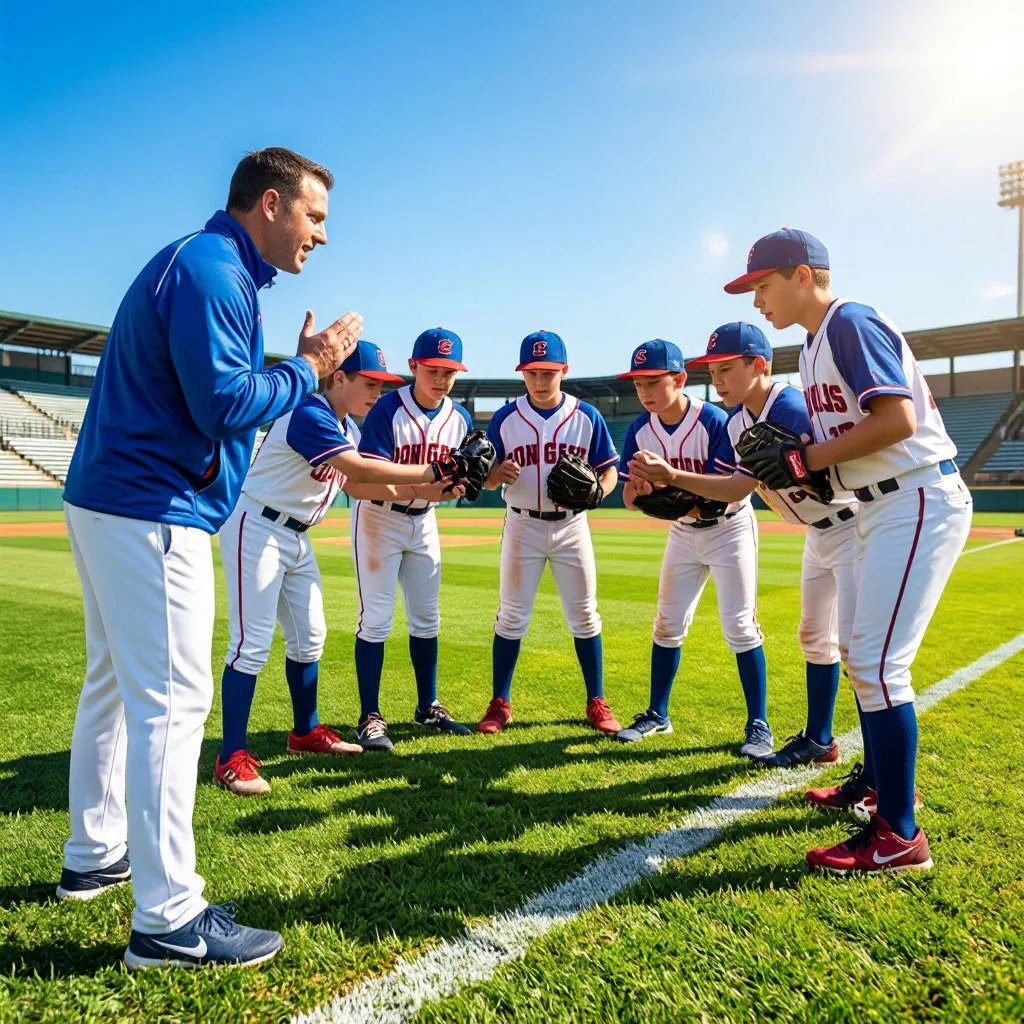
When the morning mist clears over the baseball diamonds of Gahanna, a bustling ecosystem of activity springs to life. These games do not organize themselves; they are powered by the energy of local families who donate their time. For the Gahanna youth sports community, programs like the Gahanna Junior League Sports (GJLS) serve as more than just a place to play. They are a breeding ground for community spirit, where the dedication of GJLS volunteers ensures that every child gets a chance to step up to the plate. Becoming a volunteer youth sports coach or helping behind the scenes is a powerful way to actively shape your child’s childhood memories.
Understanding the diverse roles of league volunteers
While many people assume that leagues are run by paid staff, the reality is that local sports are entirely dependent on parent involvement. Fortunately, you do not need to be an expert athlete to make a meaningful impact on the field. There are numerous ways to offer your support, ranging from active field leadership to vital administrative roles.
- Serving as a head or assistant coach to guide players through skill development and teamwork.
- Preparing the playing field by lining the chalk, setting up bases, and raking the dirt before game time.
- Keeping the official scorebook or operating the scoreboard to ensure fair play and clear tracking.
- Managing the team’s communication schedule, organizing snacks, and acting as the official team parent.
- Assisting with league events, gear distribution days, or fundraising drives that keep registration fees affordable.
Every single one of these roles is vital to keeping the season running smoothly. When parents take on these responsibilities, they relieve the pressure on head coaches and allow the players to focus entirely on having fun. Taking action to find out how to help youth baseball league systems succeed ensures that local children have access to safe, well-organized recreational facilities all year round.
The irreplaceable bond of shared athletic journeys
Active participation shifts the dynamic between parent and child from a passive observer-player relationship to a collaborative partnership. Children thrive when they see their parents sharing their passions and working alongside them toward a common goal.
| Interaction type | Spectator role | Volunteer or coaching role |
|---|---|---|
| Primary focus | Observing performance from the sidelines | Collaborating on development and team spirit |
| Post-game conversation | Critiquing plays or discussing wins and losses | Sharing inside jokes and celebrating collective effort |
| Communication style | One-way feedback after the final whistle | Continuous real-time encouragement during activities |
| Shared memories | Remembering the scoreboard and individual plays | Recalling the shared journey, bus rides, and field prep |
| Life lessons taught | Showing interest in the child’s hobbies | Modeling civic duty, teamwork, and active service |
This comparison illustrates how step-by-step engagement can transform your relationship with your child. By transitioning from the bleachers to the dugout, you demonstrate that you value their efforts enough to commit your own time. This shared dedication creates a unique conversational bridge between home and the playing field, strengthening trust and mutual respect during a child’s developmental years.
Demystifying the role of a volunteer youth sports coach
Leagues like GJLS provide extensive training, resources, and pre-planned practice guides to help new volunteers feel comfortable. If you are considering stepping into this role, focusing on key personal traits is far more important than memorizing a professional playbook.
- Patience with mistakes: understanding that young players learn best when they are allowed to make errors without fear of criticism.
- Positive reinforcement: focusing on celebrating effort, improvement, and great sportsmanship rather than just the final score.
- Consistent attendance: showing up on time to establish a reliable and comforting routine for the entire team.
- Clear communication: speaking in simple, encouraging terms that help children understand basic rules and strategies easily.
- An inclusive attitude: ensuring that every child, regardless of skill level, receives equal opportunities to play and learn.
Emphasizing these foundational qualities over athletic expertise ensures that every practice session remains encouraging and stress-free. Children do not remember whether their coach knew the exact defensive shifts of professional teams: they remember how that coach made them feel after a tough strikeout. Developing these human-centric coaching habits is the key to creating a supportive team culture that kids look forward to joining every week.
Building a stronger community on the local diamonds
Ultimately, the success of youth sports in Gahanna relies on the collective efforts of the community. When you step up to help, you are not just supporting a league: you are reinforcing the social fabric of your neighborhood. The friendships built among GJLS volunteers on the sidelines often last long after the kids have outgrown their uniforms. By investing your time today, you help ensure that the local playing fields remain vibrant, welcoming, and accessible to the next generation of Gahanna athletes.